
How to Tell if It’s Really Made in Texas
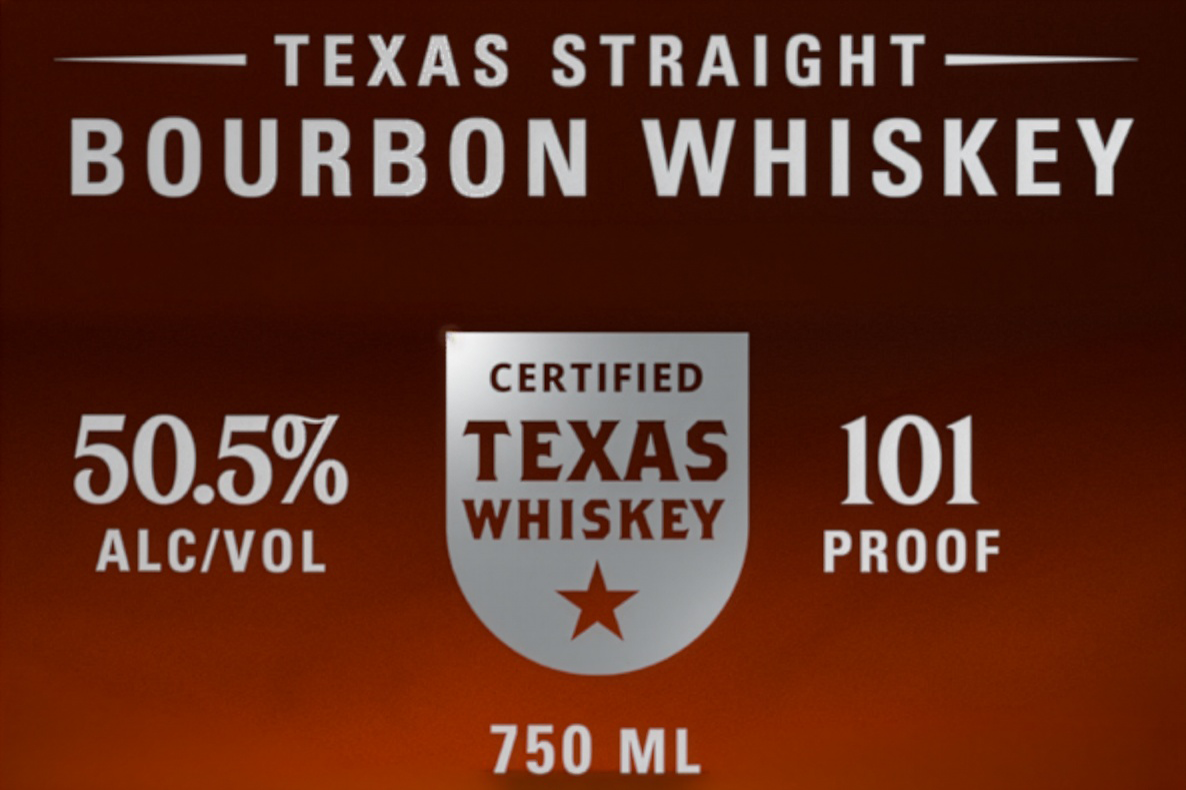
You’ve seen it before. A bottle with a Texas-sounding name, a star on the label, maybe a line about Hill Country grit. It looks the part. It might even taste good. But here’s the thing. Not every spirit wearing Texas branding was actually made here.
That’s why the Texas Whiskey Association created the Certified Texas Whiskey program. It’s a simple promise for whiskey drinkers who want the real deal, not a story that sounds good on a shelf talker. When you see the seal, you’re getting whiskey that’s truly made in Texas, from start to finish.
The fastest way to know
Look for the Certified Texas Whiskey seal. It’s the quickest shortcut in the aisle and the easiest thing to spot when you’re ordering at a bar.
The certification exists because the word “Texas” can show up in marketing even when the whiskey was sourced elsewhere. The seal is there to cut through that fog.
What the seal guarantees
If a whiskey carries the Certified Texas Whiskey mark, here’s what that means in plain English.
It’s made in Texas, all the way through.
Certified whiskey is mashed, distilled, aged, and bottled in Texas. Nothing is sourced from out-of-state bulk producers. Nothing is shipped in and rebottled.
It’s shaped by Texas seasons.
Texas heat, humidity, and big temperature swings are not just scenery. They change how whiskey matures. The program calls this out on purpose because it’s part of what makes Texas whiskey taste like Texas whiskey.
It’s honest about what it is.
The program puts a spotlight on transparent, truthful labeling. That matters in a category where “Texas” can be used as a vibe instead of a fact.
It supports real distilleries and real communities.
Buying certified helps back the Texas distillers doing the hard work, plus the local agriculture and culture that grows around them.
What the seal does not mean
Certified Texas Whiskey is a voluntary, membership-driven standard, not a government regulation and not a law-defined status. Think of it as an industry-led handshake. Distillers choosing to hold themselves to a clear, public standard, then putting that standard on the bottle for you to see.
Where you’ll see it
The seal shows up in the places you already look when you’re planning your next pour.
On member distillery profiles
On bottle labels, where applicable
On Trail marketing materials
In maps, guides, and educational content
If you don’t see the seal, read the label like a detective
Sometimes you’ll pick up a bottle without the mark and still want to know where it came from. Here are a few quick label clues that help you make an informed call.
One federal rule that helps
For certain types of U.S.-made whiskey, if the whiskey was distilled in a different state than the one shown in the required name-and-address line, the label has to disclose the state of distillation. You’ll usually see it as “Distilled in [State]” or worked into the class or type, like “Kentucky bourbon whiskey,” when the requirements are met.
Be careful with “Bottled by.”
“Bottled by” tells you where it was bottled, not where it was distilled. If the distillation happened in another state, look for a clear “Distilled in [State]” statement somewhere on the label.
Find the city and state, then look for the distillation state if needed.
Start with the name-and-address line. If that location doesn’t match where the whiskey was distilled, the label should call out the distillation state so the bottle isn’t misleading about origin.
The bottom line
If you want whiskey that’s Texas in more than attitude, the Certified Texas Whiskey seal is your best friend. It’s the clearest promise on the shelf. Made here. Aged here. Bottled here. Built by Texas distillers who are willing to put the facts on the front of the bottle.
And if you’re the kind of person who likes to meet the folks behind the glass, use the Trail to explore producers earning the seal and plan your next visit.