|
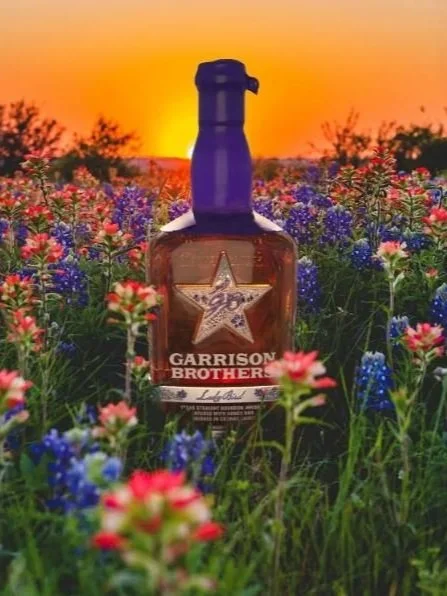
For generations, bourbon has been synonymous with Kentucky. Its limestone water, rolling rickhouses, and slow-aging barrels shaped America’s native spirit into a global icon. But in recent decades, another state has been quietly—and boldly—writing its own chapter in bourbon history: Texas. With its scorching summers, wild temperature swings, and fiercely independent culture, Texas has become one of the most significant new players in America’s bourbon story. Distilleries like Garrison Brothers, Balcones, and Still Austin have proven that exceptional bourbon doesn’t have to come from Kentucky soil. Instead, Texas has crafted a style all its own—big, bold, and unmistakably Texan. This isn’t just bourbon made in a different place. It’s bourbon shaped by a unique terroir, local grains, and a climate that accelerates aging in ways Kentucky could never imagine. And in doing so, Texas has secured its place in the evolving heritage of America’s most storied spirit. “Where a Kentucky bourbon might need twelve years, a Texas bourbon can achieve bold maturity in just three.” A Climate That Changes Everything One of the most dramatic differences between Texas bourbon and its Kentucky cousin is the climate. In the Lone Star State, temperatures can soar above 100°F in the summer and dip near freezing in the winter. These swings cause the whiskey to expand and contract aggressively inside the barrel, forcing it deeper into the oak and drawing out flavor at a rapid pace. Where a Kentucky bourbon might need six to twelve years to mature, Texas distillers can achieve rich, oak-driven flavors in as little as three to five. The result? Bold spirits with deep caramel, spice, and wood character that reflect the heat and intensity of their homeland. Sidebar: Fast Facts - Average Texas angel’s share: Avg 6-15% per year
- Typical aging window: 3–5 years
- Flavor hallmarks: caramel, spice, toasted oak, bold finish Grain, Terroir, and Innovation Texas isn’t just defined by its climate. The state’s vast agricultural landscape provides distillers with access to unique grains, from traditional yellow corn to heirloom varieties like blue and red corn. Many Texas distilleries embrace these local crops, producing bourbons that carry the distinct flavors of the region. Innovation also plays a key role. Smaller barrels, experimental mash bills, and even alternative woods—such as Texas live oak—are being used to craft new expressions of bourbon. This willingness to experiment doesn’t reject tradition; it expands it, adding new textures and flavors to the broader bourbon heritage. “Texas bourbon isn’t an imitation of Kentucky—it’s a bold evolution of America’s native spirit.” The Rise of Craft Distilling Texas now boasts one of the largest concentrations of craft distilleries in the United States. These smaller producers are unafraid to push boundaries, often prioritizing quality over yield in a climate where the angel’s share can reach staggering levels. The sacrifice, however, results in concentrated, flavorful bourbon that resonates with whiskey enthusiasts nationwide. This craft movement mirrors the pioneering spirit of early bourbon makers, reminding us that innovation and independence have always been at the heart of America’s whiskey story. Tasting Notes Snapshot Balcones Texas Blue Corn Bourbon – nutty, roasted chocolate, bold spice Garrison Brothers Small Batch – rich caramel, dark fruit, oak-heavy finish Still Austin “The Musician” – balanced vanilla, cinnamon, and toasted oak
A Cultural Identity All Its Own Beyond the barrels and grains, Texas bourbon is steeped in cultural pride. Just as Tennessee carved out a unique space with its charcoal-mellowed whiskey, Texas has built a bourbon identity rooted in its independent character, cowboy heritage, and strong sense of place. Pairing naturally with Texas barbecue, music, and storytelling, these bourbons have become more than just spirits—they are cultural touchstones that reflect the boldness of the state itself. Expanding the Heritage of Bourbon The heritage of bourbon no longer belongs to one state alone. Kentucky remains its birthplace and guardian, but Texas has proven itself a worthy contributor to the legacy. By embracing local ingredients, extreme climate, and a culture of innovation, Texas distillers have expanded bourbon’s definition while honoring its traditions. In the end, Texas bourbon is more than just a regional curiosity. It’s a reminder that America’s native spirit continues to grow, evolve, and adapt—much like the nation itself. The Lone Star State has earned its place in bourbon heritage, not as an outsider, but as a new frontier.
|